Neurodivergent young people, particularly those with autism and ADHD, are disproportionately represented in Secure Children’s Homes (SCHs), where behaviours associated with neurodevelopmental difference may be interpreted through frameworks of risk, non-compliance or intentional choice rather than understood in relation to neurodivergent needs. This project critically investigates the gap between neurodivergent young people’s lived experiences of secure accommodation and the ways in which professionals and institutions interpret and respond to their behaviour.
Drawing on Critical Disability Studies, the neurodiversity paradigm, recognition theory and the double empathy problem, the research examines how institutional language and professional understandings shape assessment, placement and decision-making, and how these processes may affect young people’s identity, wellbeing and experiences of care. The research is particularly timely within current debates surrounding increasing identification of autism, ADHD and mental health needs and the implications of these changes for children’s services and safeguarding.
The project uses a multi-method qualitative design. It begins with a systematic literature review, followed by a reflexive autoethnographic and discourse-analytic study of the researcher’s own historical secure-accommodation case records. This is complemented by national mapping through Freedom of Information requests to English local authorities, with comparative data from Northern Ireland Health and Social Care Trusts. Subsequent stages will involve interviews with adults who experienced secure accommodation during childhood and focus groups with professionals involved in assessment, safeguarding and secure placements. Framework Analysis will support comparison across lived-experience, systemic and professional accounts.
The project will generate evidence about how institutional practices recognise, interpret or potentially misrecognise neurodivergent needs within secure settings. Ultimately, it aims to contribute to the development of neurodivergent-affirming approaches to assessment and decision-making, with implications for policy, safeguarding and practice within Secure Children’s Homes.
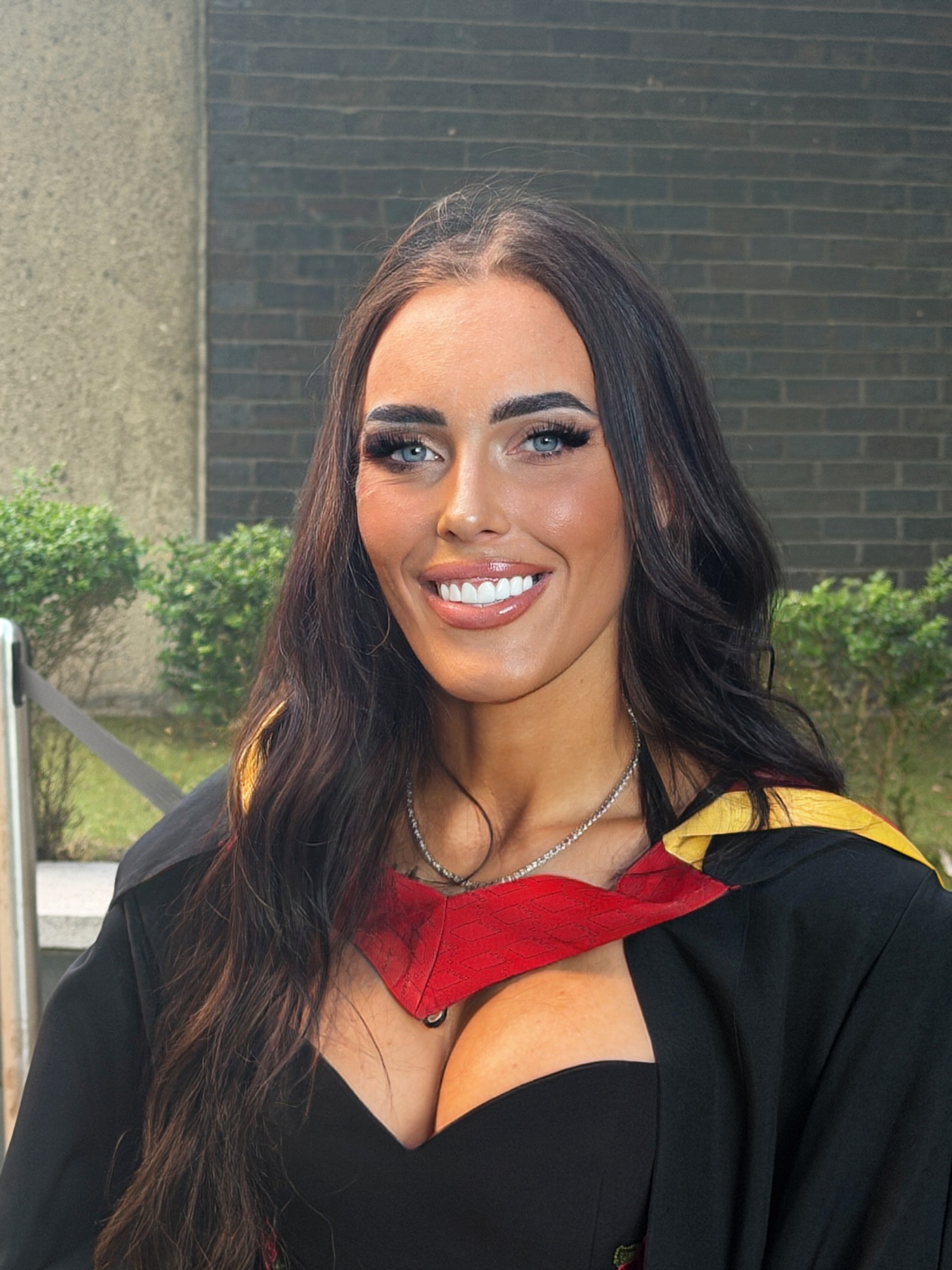
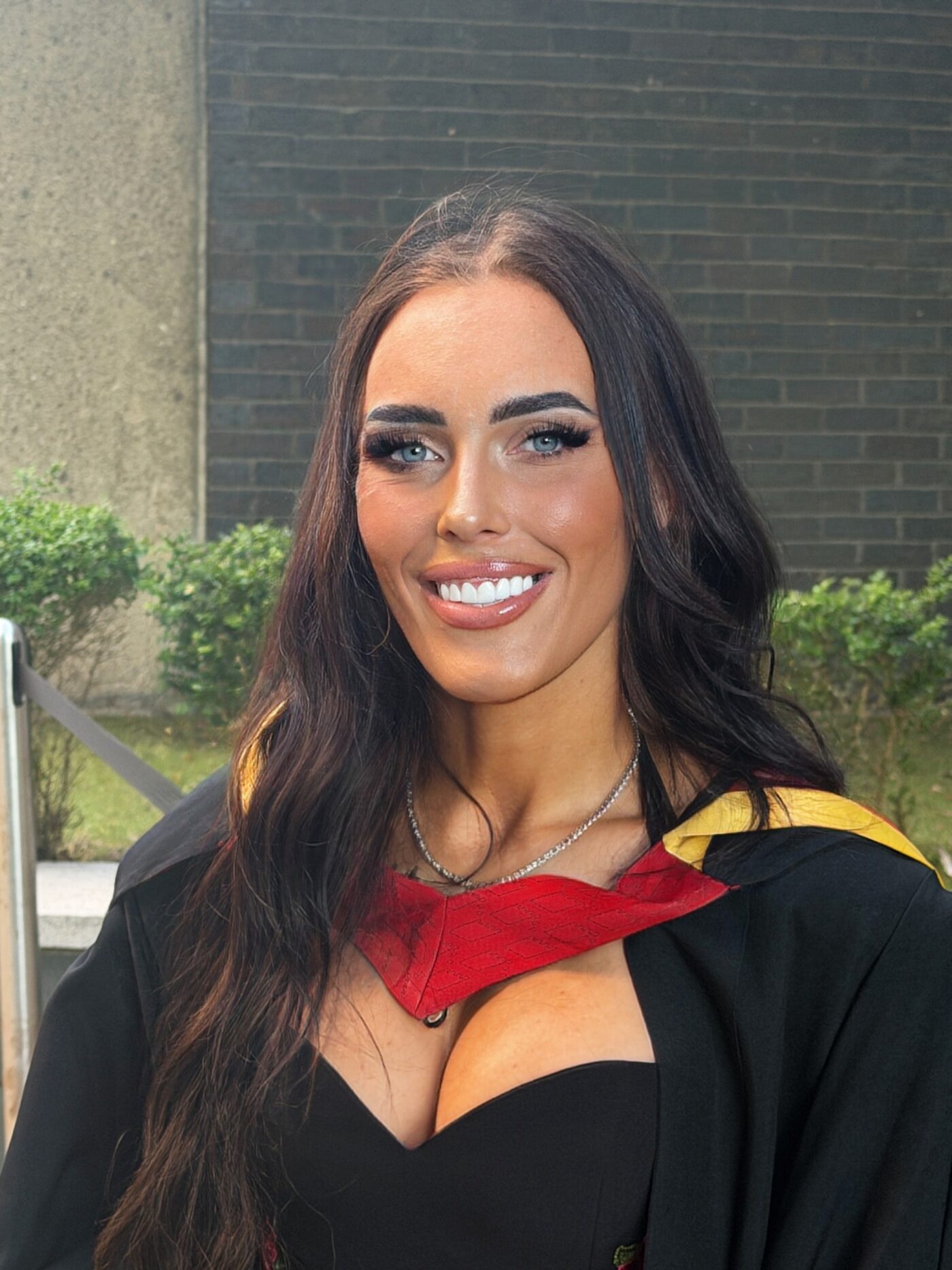
My interest in this area is rooted in both my academic and professional development within social work, alongside my own lived experience of secure accommodation during childhood. Having experienced the care system from the perspective of a child and subsequently entered social work and research, I am particularly interested in the distance that can exist between how a young person experiences their behaviour and circumstances and how that behaviour is recorded, interpreted and acted upon by professionals. This has led me to question how language within children’s social care can shape perceptions of risk, vulnerability, responsibility and need, particularly for children whose neurodivergence may not be recognised or adequately understood.
My undergraduate research further developed this interest by examining the experiences of care leavers becoming parents and the ways in which significant life transitions can be understood simultaneously as sites of disadvantage, surveillance, identity reconstruction and opportunity. This work strengthened my interest in the relationship between institutional systems, professional narratives and lived experience, and in the importance of understanding people within the wider social and structural contexts of their lives.
My doctoral research therefore brings together these academic interests with my lived and professional experience to examine an area that I believe requires greater attention within children’s social care research. Rather than positioning neurodivergence solely as an individual characteristic or source of risk, the project considers how environments, professional language and institutional systems can influence how behaviour is understood and responded to. By placing lived experience alongside professional and systemic perspectives, the research seeks to produce evidence that can support more nuanced, rights-based and neurodivergent-affirming approaches to practice.